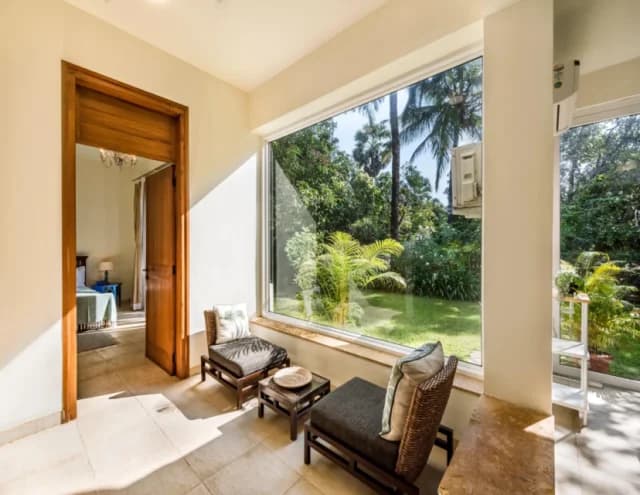
Walking the Clouds: Why Gilbert Trail is Kasauli's Most Beautiful Secret
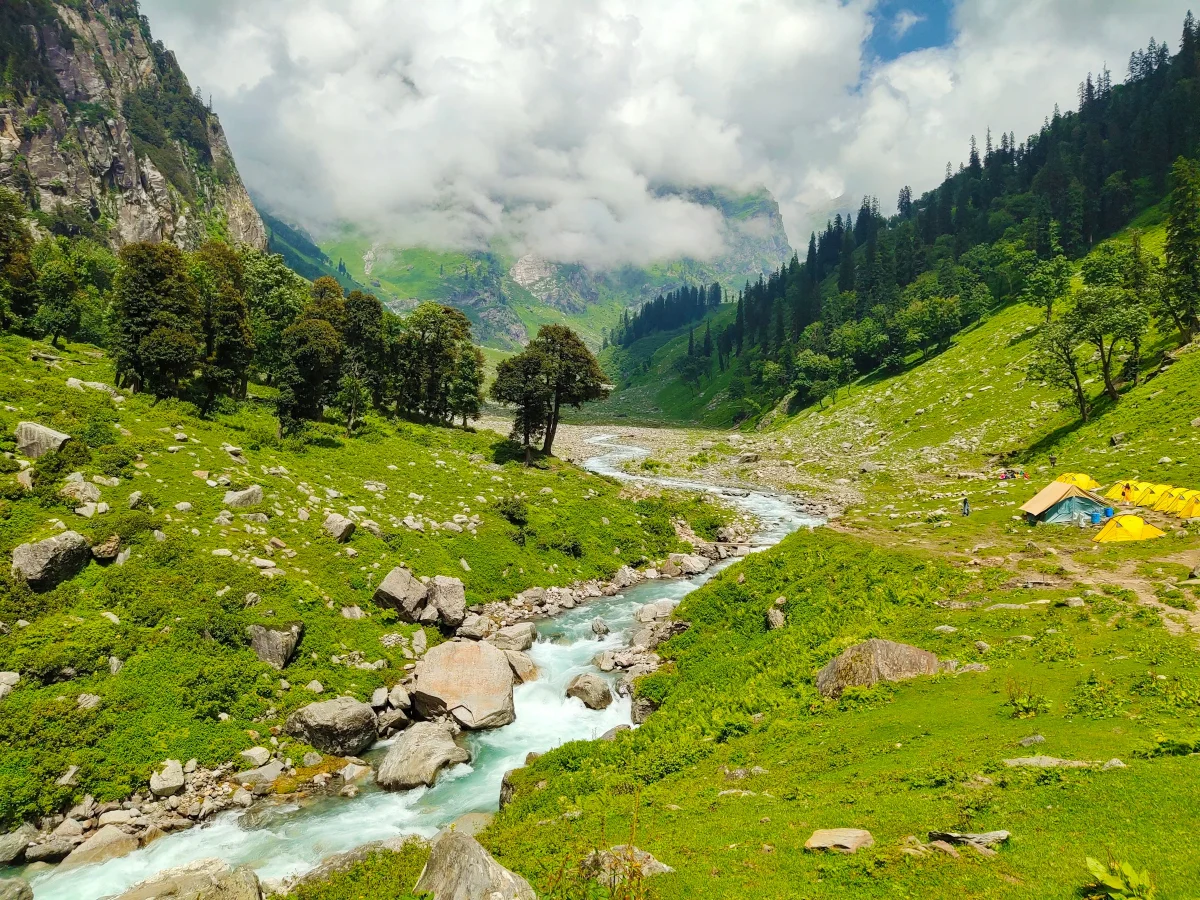
A Slow Traveler's Guide to the Most Enchanting Walk in the Himalayas
There are places you visit, and then there are places that quietly change the way you breathe. Gilbert Trail in Kasauli is the latter. It doesn't shout for attention. There are no ticket counters, no souvenir shops, no Instagram influencers doing reels with ring lights. It's just you, the pine trees, the mist, and the sound of your own footsteps on soft, damp earth.
If you've been looking for a reason to slow down — truly slow down — this is it.
What Exactly is the Gilbert Trail?
The Gilbert Trail is a flat, winding forest path that stretches for approximately 7 kilometers through dense pine and deodar forests on the outskirts of Kasauli. Named after a British officer from the colonial era, the trail was originally a bridle path — a route used by the British to travel on horseback between Kasauli and the neighboring cantonment areas.
Today, it is one of the least commercialized walking trails in Himachal Pradesh. Unlike the crowded Mall Road or the tourist-heavy Monkey Point, Gilbert Trail remains beautifully untouched, known only to seasoned travelers and locals who come here for their morning walks.
Quick Facts:
|
Detail |
Information |
|
Location |
Starts near the Air Force Station, Kasauli |
|
Trail Length |
Approximately 7 km (one way) |
|
Difficulty |
Easy to Moderate (mostly flat terrain) |
|
Best Time |
March to June & September to November |
|
Time Required |
2.5 to 4 hours (depending on pace and stops) |
|
Entry Fee |
Free |
|
Best For |
Walkers, birdwatchers, photographers, couples |
The Walk: What to Expect Step by Step
The Starting Point — A Quiet Beginning
The trail begins near the Kasauli Air Force Station. There's no grand entrance — just a narrow dirt path that disappears into a canopy of tall pine trees. The moment you step onto the trail, the noise of the town fades. Within five minutes, the only sounds you'll hear are:
- The crunch of pine needles under your shoes
- The distant call of a barbet or a whistling thrush
- The wind moving through the deodar branches above you
Pro Tip: Start early, ideally by 7:00 AM. The trail is at its most magical when the morning mist is still clinging to the trees.
The First Kilometer — The Pine Cathedral
The first stretch of the trail is what locals call the "Pine Cathedral." The trees here are tall and closely packed, their branches forming a natural ceiling overhead. The sunlight filters through in thin, golden shafts, creating patterns on the forest floor that look like they belong in a painting.
The ground is soft — a carpet of dry pine needles, damp mud, and small stones. Unlike concrete roads, this surface forces you to walk slowly, to place each foot deliberately. And that's the whole point of Gilbert Trail: it doesn't let you rush.
What you'll see:
-
Thick beds of moss covering the rocks
-
Wild ferns growing along the edges of the path
-
Occasional clearings where you can see the valley below
The Middle Stretch — The Misty Ridge
Around the 3-kilometer mark, the trail opens up slightly, and you find yourself walking along a narrow ridge. On one side, there's a steep drop into a valley covered in thick forest. On the other, the hillside rises sharply, covered in wild grass and shrubs.
This is where the trail earns its reputation.
On a clear day, you can see the Shivalik range stretching endlessly, layer after layer of blue-green hills fading into the horizon. On a misty day — which is more common — the clouds roll in from the valley below, and you are literally walking through them. The visibility drops to a few meters, and the world becomes a soft, white silence.
It is, without exaggeration, one of the most surreal walking experiences you can have in North India.
What you'll feel:
-
The temperature drops noticeably on the ridge
-
The air feels heavier, wetter, cleaner
-
A deep, almost meditative quiet
Pro Tip: Carry a light windbreaker or shawl, even in summer. The ridge section can get surprisingly cold when the clouds move in.
The Final Stretch — The Quiet Descent
The last couple of kilometers gently slope downward through mixed forests of oak, rhododendron, and pine. The vegetation changes here — the trees are shorter, the undergrowth is thicker, and you'll notice more wildflowers along the path, especially during the monsoon and spring months.
This is also where the trail becomes narrower and more rugged, with a few spots where you need to step over small streams or navigate around fallen branches. It's not difficult, but it requires attention — and that's part of the charm.
The trail eventually ends near a small village road, from where you can either:
-
Walk back the same way (recommended for the full experience)
-
Arrange a local taxi to take you back to Kasauli town
Birdwatching on Gilbert Trail: A Hidden Paradise
If you're a birdwatcher — or even a curious beginner — Gilbert Trail is one of the best birding spots in the Western Himalayas. The dense, undisturbed forest canopy and the variety of altitudes along the trail create a habitat for a stunning diversity of species.
Birds You're Likely to Spot:
|
Bird Species |
Best Season |
Where to Look |
|
Himalayan Whistling Thrush |
Year-round |
Near streams and damp rocks |
|
White-crested Laughingthrush |
October – March |
Mid-canopy, travels in noisy groups |
|
Red-billed Blue Magpie |
Year-round |
Open clearings and ridge section |
|
Eurasian Jay |
Year-round |
Pine canopy |
|
Black-headed Jay |
October – April |
Lower branches |
|
Verditer Flycatcher |
March – September |
Open perches along the ridge |
|
Grey Treepie |
Year-round |
Treetops |
|
Himalayan Bulbul |
Year-round |
Undergrowth and shrubs |
|
Rufous Sibia |
October – March |
Mixed forests (final stretch) |
|
Khalij Pheasant |
Year-round |
Forest floor (early morning only) |
|
Great Barbet |
March – August |
Heard more than seen — loud "piyo-piyo" call |
|
Blue Whistling Thrush |
Year-round |
Rocky areas near water |
Birdwatching Tips for Gilbert Trail:
-
Go early. The best window is 6:30 AM to 9:00 AM. Birds are most active at dawn.
-
Walk silently. Avoid talking loudly or playing music. The trail's silence is your biggest advantage.
-
Wear muted colors. Avoid bright red, orange, or white clothing. Olive, brown, and grey work best.
-
Carry binoculars. A pair of 8x42 binoculars is ideal for forest birding.
-
Listen first, look second. Most birds on Gilbert Trail are heard before they are seen. Learn to identify the calls of the Barbet, the Laughingthrush, and the Whistling Thrush before your trip.
-
Be patient at the clearings. When the trail opens up at the ridge section, sit quietly for 10–15 minutes. Flycatchers, Magpies, and Jays frequently pass through these gaps.
Pro Tip: Download the Merlin Bird ID app (by Cornell Lab) before your trip. It can identify bird calls in real time and works offline — a game-changer for beginners.
Photography Tips: Capturing the Magic of Gilbert Trail
Gilbert Trail is a photographer's dream, but it comes with challenges. The dense canopy means low light, the mist means moisture on your lens, and the constantly shifting clouds mean rapidly changing conditions. Here's how to make the most of it:
Gear Recommendations:
|
Equipment |
Why You Need It |
|
Wide-angle lens (16-35mm) |
For the Pine Cathedral sections and misty ridge panoramas |
|
Telephoto lens (70-200mm or 100-400mm) |
Essential for bird photography and isolating details |
|
Tripod (lightweight, travel) |
For low-light shots in the forest and long exposures of mist |
|
Lens cloth / microfiber towel |
The mist WILL fog up your lens — carry multiple cloths |
|
Waterproof camera bag |
Protects gear during unexpected rain or heavy mist |
|
Polarizing filter |
Cuts through haze and enhances the green of the forest |
Best Shots You Can Get:
1. The Light Shafts in the Pine Cathedral
-
When: Between 7:00 AM and 8:30 AM, when the sun is low
-
How: Look for spots where sunlight breaks through the canopy in visible beams. Use a wide-angle lens, slightly underexpose the image, and let the light shafts glow against the darker background.
-
Settings: f/8 to f/11, ISO 400-800, manual focus
2. The Misty Ridge
-
When: Early morning or late afternoon, especially during monsoon
-
How: Find a spot where the trail curves along the ridge. Include the path in the foreground and let the mist fill the valley behind. Shoot in portrait orientation for a dramatic, vertical composition.
-
Settings: f/5.6 to f/8, slightly overexpose by +0.7 to keep the mist looking bright and airy
3. Macro Details — Moss, Ferns, Dewdrops
-
When: Anytime, but best after light rain
-
How: Get low. Use a macro lens or the macro mode on your phone. Focus on the tiny world — water droplets on a fern leaf, lichen patterns on a rock, a spider web glistening in the mist.
-
Settings: f/2.8 to f/4 for shallow depth of field, manual focus
4. The Walking Path — Leading Lines
-
When: Anytime
-
How: Stand in the middle of the trail and let it stretch ahead, curving into the forest. Include a person walking in the distance for scale. This shot is the "signature" image of Gilbert Trail.
-
Settings: f/8, ISO 200-400, center focus
5. Bird Portraits
-
When: Early morning, especially near the clearings and stream crossings
-
How: Use a telephoto lens (minimum 200mm). Sit still and wait. Pre-focus on a branch where you've seen activity. Use burst mode when the bird appears.
-
Settings: f/5.6 to f/6.3, shutter speed minimum 1/500s, auto ISO
Phone Photography Tips:
Not everyone carries a DSLR, and that's perfectly fine. Modern smartphones can capture Gilbert Trail beautifully:
-
Use Portrait Mode for close-ups of flowers, moss, and bark
-
Use Panorama Mode at the ridge section for sweeping valley shots
-
Wipe your lens frequently — the mist will blur every other shot
-
Turn off the flash — it kills the natural mood of the forest light
-
Shoot in RAW (if your phone supports it) for better editing flexibility later
The "Slow Travel" Philosophy: Why Gilbert Trail is Different
Let's be honest: most hill station trips in India follow the same pattern. You drive up. You visit the "Top 5 Points." You take selfies. You eat Maggi. You drive back. The mountains become a backdrop for content, not an experience to absorb.
Gilbert Trail refuses to play that game.
There is nothing to "do" on Gilbert Trail in the conventional tourist sense. There is no viewpoint with a railing and a signboard. There is no café at the halfway mark. There is no adventure sport, no zip line, no ATV ride. There is just the walk. And in that simplicity lies its power.
What "Slow Travel" Looks Like on Gilbert Trail:
-
Walking without a destination. You don't "reach" anywhere on Gilbert Trail. The trail itself is the point. Walk until you feel like stopping, then turn around.
-
Sitting without scrolling. Find a rock. Sit on it. Don't take out your phone. Listen to the forest. Count the different bird calls you can hear. Watch the mist move between the trees. Give yourself 20 minutes of this. It will feel uncomfortable at first — and then it will feel necessary.
-
Breathing without thinking. The air on Gilbert Trail is thick with the scent of pine resin, wet earth, and wild herbs. Take deep breaths. Not as a "wellness exercise," but because the air genuinely tastes different here.
-
Walking without earphones. This is important. The soundscape of Gilbert Trail — the bird calls, the wind, the rustle of leaves, the distant bark of a dog in the valley — is one of its greatest gifts. Don't block it out.
"Not all those who wander are lost." — J.R.R. Tolkien
Gilbert Trail is for the wanderers. The ones who measure a trip not by the number of photos taken but by the depth of silence experienced.
Practical Information: Everything You Need to Plan Your Walk
How to Get to Gilbert Trail:
From Chandigarh: Kasauli is approximately 65 km from Chandigarh (about 2–2.5 hours by car). You can either drive yourself or hire a taxi from the Chandigarh Railway Station / Airport.
From Delhi: The distance is approximately 300 km (5–6 hours by car via NH-44 through Ambala and then the hill road via Dharampur). Alternatively, you can take a Shatabdi Express to Chandigarh and then a taxi to Kasauli.
From Kasauli Town to the Trail: The trailhead is about 1.5 km from the Kasauli Bus Stand, near the Air Force Station area. You can walk to it or take a short auto ride.
What to Carry:
|
Item |
Why |
|
Comfortable walking shoes (with grip) |
The trail has loose soil, stones, and damp patches |
|
1-2 liters of water |
There are no shops or water sources on the trail |
|
Light snacks (dry fruits, energy bars) |
For longer walks |
|
Sunscreen + Hat |
The ridge section has direct sun exposure |
|
Windbreaker / Light jacket |
For the misty, cold ridge section |
|
Binoculars |
For birdwatching |
|
Camera + extra battery |
Cold weather drains batteries faster |
|
Small backpack |
To carry everything hands-free |
|
Trash bag |
Carry back all your waste — leave no trace |
What NOT to Carry / Do:
-
❌ No Bluetooth speakers. The forest is not your party venue.
-
❌ No plastic bottles to litter. Kasauli is a cantonment area with strict cleanliness norms.
-
❌ No feeding the monkeys. You may encounter langurs. Maintain distance.
-
❌ No smoking on the trail. Fire risk in the pine forest is real and dangerous.
-
❌ No straying off the marked path. The forest is dense and it's easy to lose direction.
Safety Notes:
-
The trail is generally safe, but avoid walking alone after 4:00 PM as visibility drops quickly in the mountains.
-
Inform your hotel/homestay about your plan to walk the trail and your expected return time.
-
Mobile network is patchy on the trail (BSNL and Jio work intermittently). Don't rely on Google Maps once you're inside the forest.
-
During monsoon months (July-August), the trail can be slippery and there may be leeches. Wear full-length pants and carry salt or a leech spray.
Where to Stay: Making Kasauli Your Base
Gilbert Trail deserves more than a day trip. The best way to experience it is to stay in Kasauli for at least 2-3 nights, walk the trail on one morning, and spend the rest of your time exploring the quiet lanes, colonial churches, and forest paths of this charming town.
Recommended: Book a Private Luxury Villa
If you're traveling with family, a group of friends, or as a couple looking for privacy and space, consider booking a luxury villa in Kasauli instead of a standard hotel room. Villas offer:
-
Private gardens and terraces with mountain views
-
Full kitchens (perfect for making your own ginger tea after the morning walk)
-
Multiple bedrooms so everyone has their own space
-
A home-like atmosphere that matches the slow, peaceful energy of Gilbert Trail
👉 Browse and book curated luxury villas in Kasauli here: Lost Traveller — Luxury Villas in Kasauli
Lost Traveller offers handpicked properties in Kasauli that blend comfort with character — think wooden cottages with fireplaces, heritage bungalows with wrap-around verandas, and modern hillside villas with valley views. It's the perfect complement to a slow travel experience.
Pro Tip: Book a villa with a balcony or sit-out facing east. After your Gilbert Trail walk, you can return, brew a cup of coffee, and watch the clouds roll over the Shivalik hills from the comfort of your private space. That's the kind of morning money can buy — and should.
A Suggested 3-Day Kasauli Itinerary (Built Around Gilbert Trail)
Day 1: Arrive and Settle In
|
Time |
Activity |
|
Morning / Afternoon |
Drive from Chandigarh or Delhi. Check into your luxury villa in Kasauli. |
|
4:00 PM |
Walk to Kasauli Mall Road. Explore the small shops, buy local fruit wine, and try the famous Bun Samosa at Narinder Sweets. |
|
6:00 PM |
Walk to Sunset Point for the evening golden hour. |
|
8:00 PM |
Dinner at a local restaurant or cook at your villa with fresh mountain vegetables from the market. |
Day 2: The Gilbert Trail Morning
|
Time |
Activity |
|
6:30 AM |
Wake up early. Light breakfast — tea and toast. |
|
7:00 AM |
Begin your Gilbert Trail walk. Walk slowly. Stop for birdwatching. Photograph the mist. |
|
10:30 AM |
Return to your villa. Hot shower. Big brunch. |
|
12:00 PM – 3:00 PM |
Rest. Read a book on the balcony. Nap. Do absolutely nothing. |
|
3:30 PM |
Visit Christ Church (built 1853) — one of the oldest churches in North India. |
|
5:00 PM |
Walk along Lover's Lane — a flat, shaded path near the church. |
|
7:30 PM |
Bonfire at your villa (if permitted) or a quiet dinner with mountain views. |
Day 3: Explore the Surroundings and Depart
|
Time |
Activity |
|
8:00 AM |
Breakfast at the villa. |
|
9:30 AM |
Drive to Dagshai (20 minutes from Kasauli) — visit the Dagshai Jail Museum and the old British cemetery. |
|
11:30 AM |
Stop at Dharampur on the way down — this is where the Kalka-Shimla Toy Train (UNESCO Heritage) passes through. Watch it chug by if the timing aligns. |
|
1:00 PM |
Lunch at a dhaba on the highway. Begin your drive back. |
Final Thoughts: Why Gilbert Trail Matters
In a world where hill stations are becoming louder, more crowded, and more commercialized, Gilbert Trail is a quiet rebellion. It's a reminder that the mountains were never meant to be consumed — they were meant to be walked through, breathed in, and deeply listened to.
You won't find Gilbert Trail trending on social media. You won't find it on "Top 10" lists with drone footage and dramatic background music. And maybe that's exactly why it remains so beautiful.
Go to Kasauli. Book a villa that feels like home. Wake up before the town does. Walk Gilbert Trail in the mist. Let the pine trees and the bird calls and the soft earth under your feet remind you of something you've been forgetting:
That the best travel doesn't take you somewhere new. It brings you back to yourself.